5 Common Certified Translation Mistakes and How to Avoid Them
Introduction: When a Translation Rejection Costs You More Than Money
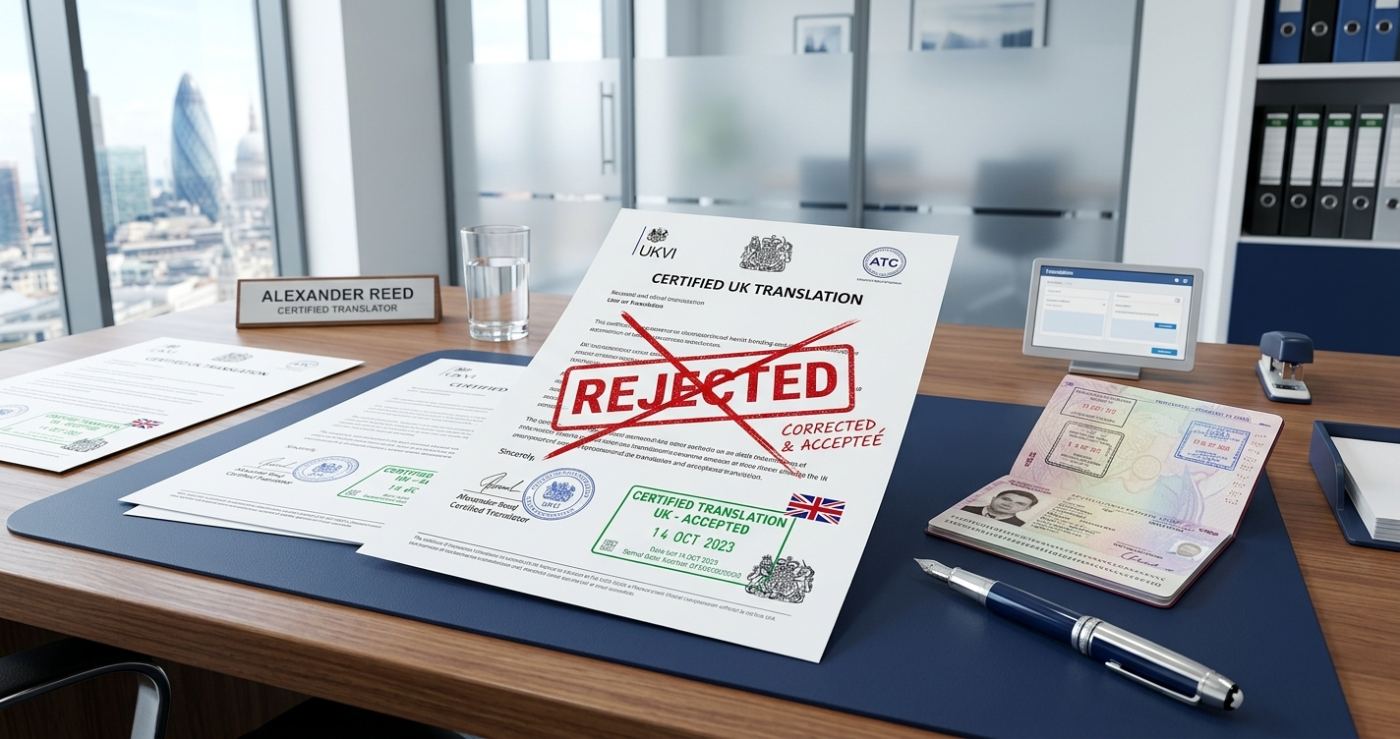
Every year, thousands of UK visa, immigration, and professional registration applications are delayed — not because of missing documents, but because of rejected certified translations. A single mistake in the certification process can set your application back by weeks and cost you hundreds of pounds in re-submission fees.
At FastCert Translations, we review dozens of documents each week that were previously rejected by other providers. In this guide, we share the five most common certified translation mistakes we see — and exactly how to avoid them.
Mistake 1: Using an Unqualified Translator
The most damaging mistake is using a translator who lacks the required qualifications. UK authorities — including the Home Office, UKVI, GMC, and NMC — require translations to be completed by a qualified, native-level translator who can certify that the translation is accurate and complete.
A certified translation is not simply a translation. It requires a signed statement from the translator confirming their qualifications and the accuracy of the document. Many online translation platforms use freelancers who lack the necessary credentials, leading to automatic rejection.
How to avoid it: Choose a UK-based translation agency whose translators hold recognised qualifications — such as membership of the Chartered Institute of Linguists (CIOL) or equivalent. At FastCert, every translator on our panel is vetted for academic credentials and native-language proficiency before working on client documents.
Mistake 2: Missing or Incorrect Certification Statement
Even a well-translated document will be rejected if the certification statement is absent, incomplete, or formatted incorrectly. The certification statement must include:
- The translator's full name and contact information
- A declaration that the translation is accurate and complete to the best of their knowledge
- The date of the translation
- The translator's signature
- The source and target languages
Some authorities, such as the Home Office and UKVI, have specific formatting requirements. A statement that passes for one authority may be rejected by another.
How to avoid it: Work with a provider who understands the specific certification requirements of your target authority. Our team at FastCert prepares authority-specific certification statements for every document we translate.
Mistake 3: Omitting Stamps, Seals, or Signatures from the Original
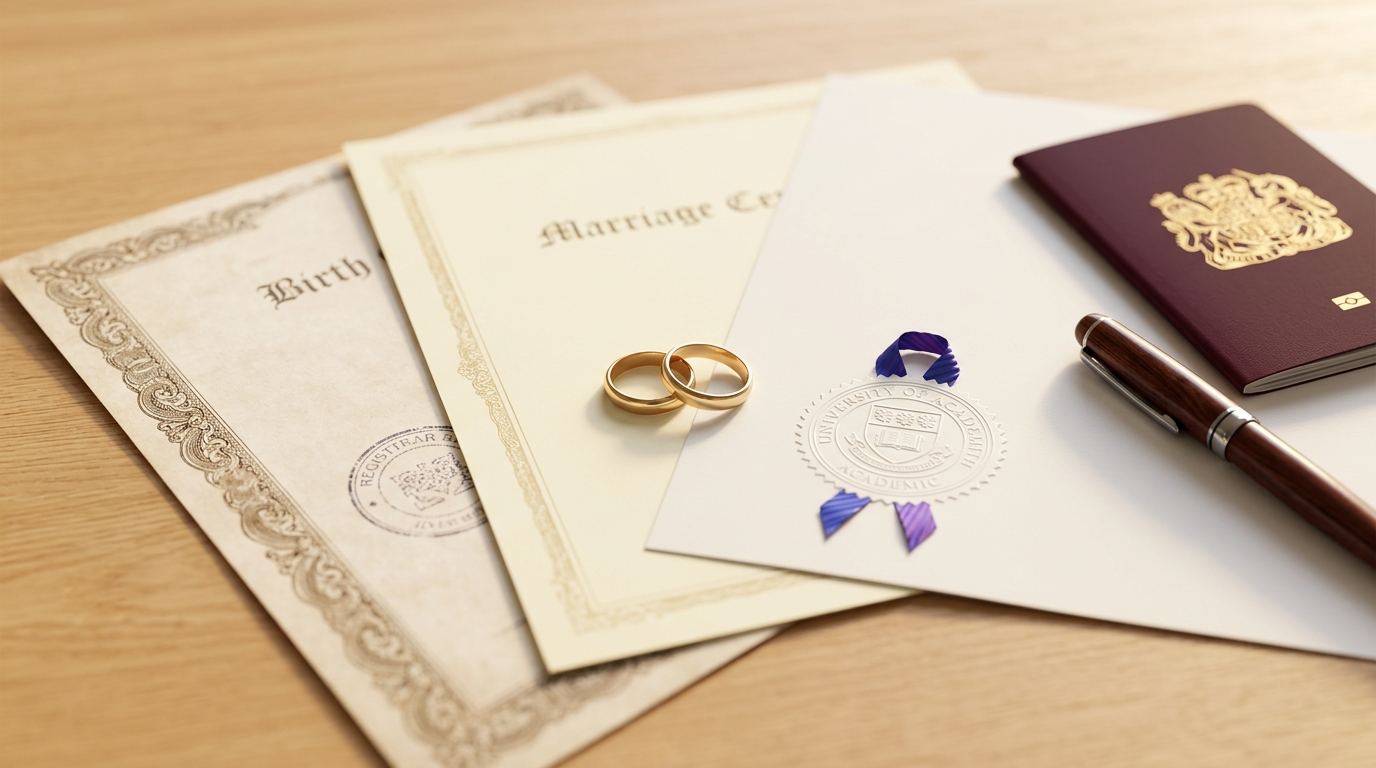
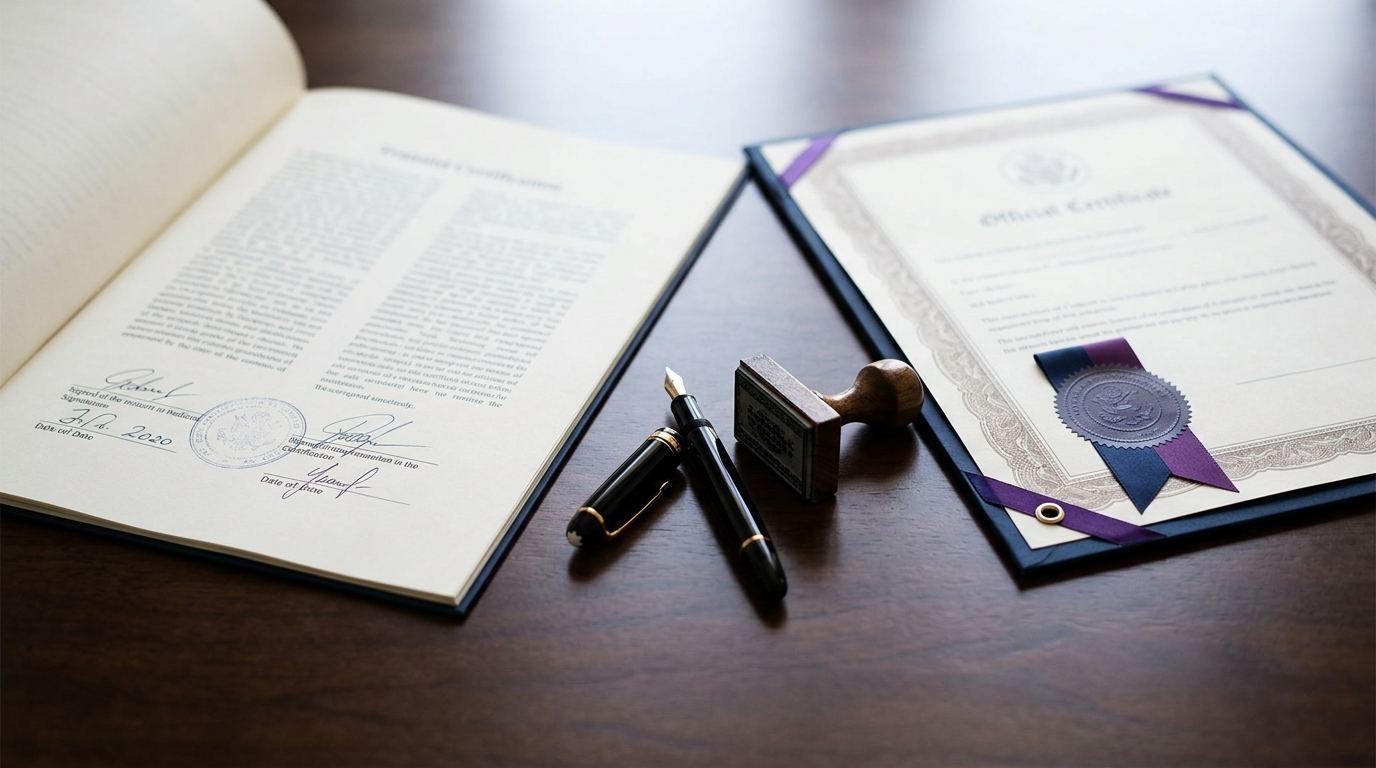
Official documents such as birth certificates, marriage certificates, and diplomas often include stamps, seals, notary signatures, and official markings. These must be fully translated and described in the certified translation — they are not decorative.
For example, a French birth certificate might carry the stamp of the Mairie (town hall) alongside a registration number. Omitting the translation of these elements is a common cause of UKVI rejection. The certified translation must reflect every element of the original document, including layout notes where relevant.
How to avoid it: Submit clear, high-quality scans of both sides of your document. Our translators are trained to describe and translate all official markings, stamps, and seals as part of the standard translation process — at no extra cost.
Mistake 4: Using Machine Translation (Even Partially)
DeepL, Google Translate, and ChatGPT have become remarkably good at translating general content. However, they are not suitable for certified translations — particularly for legal, medical, and immigration documents.
Machine translation tools frequently fail on:
- Legal terminology specific to a country's jurisdiction
- Proper names, place names, and official titles
- Ambiguous sentences requiring context and subject-matter knowledge
- Documents with unconventional formatting (handwritten fields, mixed languages)
In 2024, several UK immigration law firms reported a rise in UKVI rejections linked to machine-assisted translations where terminology had been mistranslated in ways that changed the legal meaning of the document.
How to avoid it: Only use a human, qualified translator. At FastCert, we guarantee that every translation is completed entirely by a human expert — we never use machine translation for certified documents.
Mistake 5: Not Keeping a Certified Copy for Your Records
Many applicants submit their only certified translation and then need a second copy weeks later — for a separate authority, a job application, or a bank. Re-ordering a certified translation takes time and costs money.
How to avoid it: Always request at least one additional certified copy when you place your order. FastCert stores your translated documents securely and can re-issue certified copies at a reduced cost within 12 months of your original order.
Summary: Getting It Right the First Time
Certified translation rejections are almost always avoidable. The five mistakes above — unqualified translators, missing certification statements, omitted stamps, machine translation, and poor record-keeping — account for the majority of rejections we see at FastCert.
If you need a certified translation accepted by the Home Office, UKVI, GMC, NMC, courts, or UK universities, our team is ready to help. We offer standard delivery in 24–48 hours from £28 per page, with same-day express options available.
Get a free quote today — no commitment required.